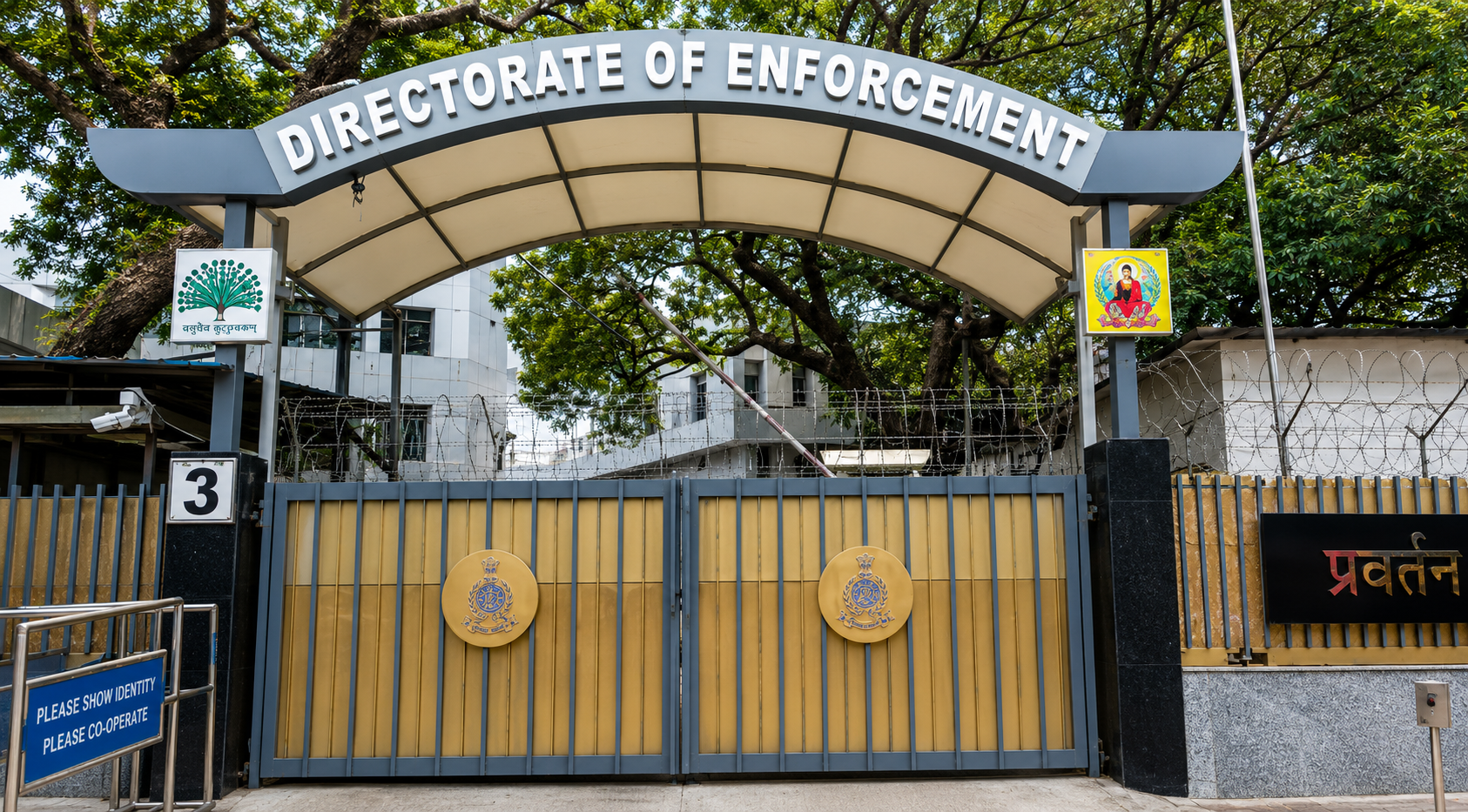
The latest move by the Enforcement Directorate in the ongoing controversy involving Jaypee Infratech comes after the government agency attached property valued close to ₹100 crore amid claims that money received from consumers was channelized through various companies instead of being used for building projects.
The controversy reflects an age-old issue in the Indian real estate industry: protection of buyer funds. Consumers had invested their hard-earned money expecting it to be used on time for project completion. However, it is alleged that the money received might have been misused for other purposes, adding to the problem of governance of the real estate projects across India.
The current action taken by the authorities comes in addition to a series of actions against this particular project over several years, including litigation, insolvency proceedings, and much else. It is also significant for buyers who expect the concerned authorities to provide protection to their funds in mega projects of housing or infrastructure in the country.
Why the Case Matters Beyond One Real Estate Developer
As much as the case is limited to specific transactions, its scope and effects are not. The Indian real estate industry has undergone many regulatory changes in the last ten years; the introduction of the Real Estate (Regulation and Development) Act (RERA) being one of them. Instances like those under examination underscore the need for RERA and more robust scrutiny of project finance operations.
Today, financial transparency stands at the forefront of what institutional investors look out for in evaluating projects as part of their decision-making process. Apart from assessing the value and integrity of a project, financial management in itself is considered an essential determinant of developer accountability, which is an important factor in determining funding opportunities and loan conditions.
In addition, the case underscores the extent to which real estate enterprises are interlinked through subsidiary companies. More than ever before, regulators are keen on checking if such arrangements are being exploited for nefarious purposes, especially with regard to diverting funds meant for projects.
The Road Ahead for Stakeholders and the Industry
Further investigation is likely as investigators look into the details of any financial transactions and the involvement of any bodies associated with the movement of money from the case. Any further judicial decisions will affect recovery processes, measures of accountability, and dealing with frozen assets.
From the point of view of homebuyers, the main challenge will be the delivery of the project and security of their financial interests. For developers from other companies operating in the sphere, this case acts as a signal that regulatory bodies are becoming increasingly interested in the issue of fund management.
The development of the industry may benefit greatly if the result of such an investigation leads to increased transparency and accountability. Given the fact that the current demand for housing is high and participation of investors in real estate activities is increasing, management of buyer funds becomes just as significant an indicator as development projects themselves.









Join The Discussion